Biomedical engineering is a research area that aims to apply an engineering perspective to solve problems in medicine and biology. It has enormous potential for improving health and health care, but Europe is lagging behind the USA and Asia in realizing its technological and economic potential.
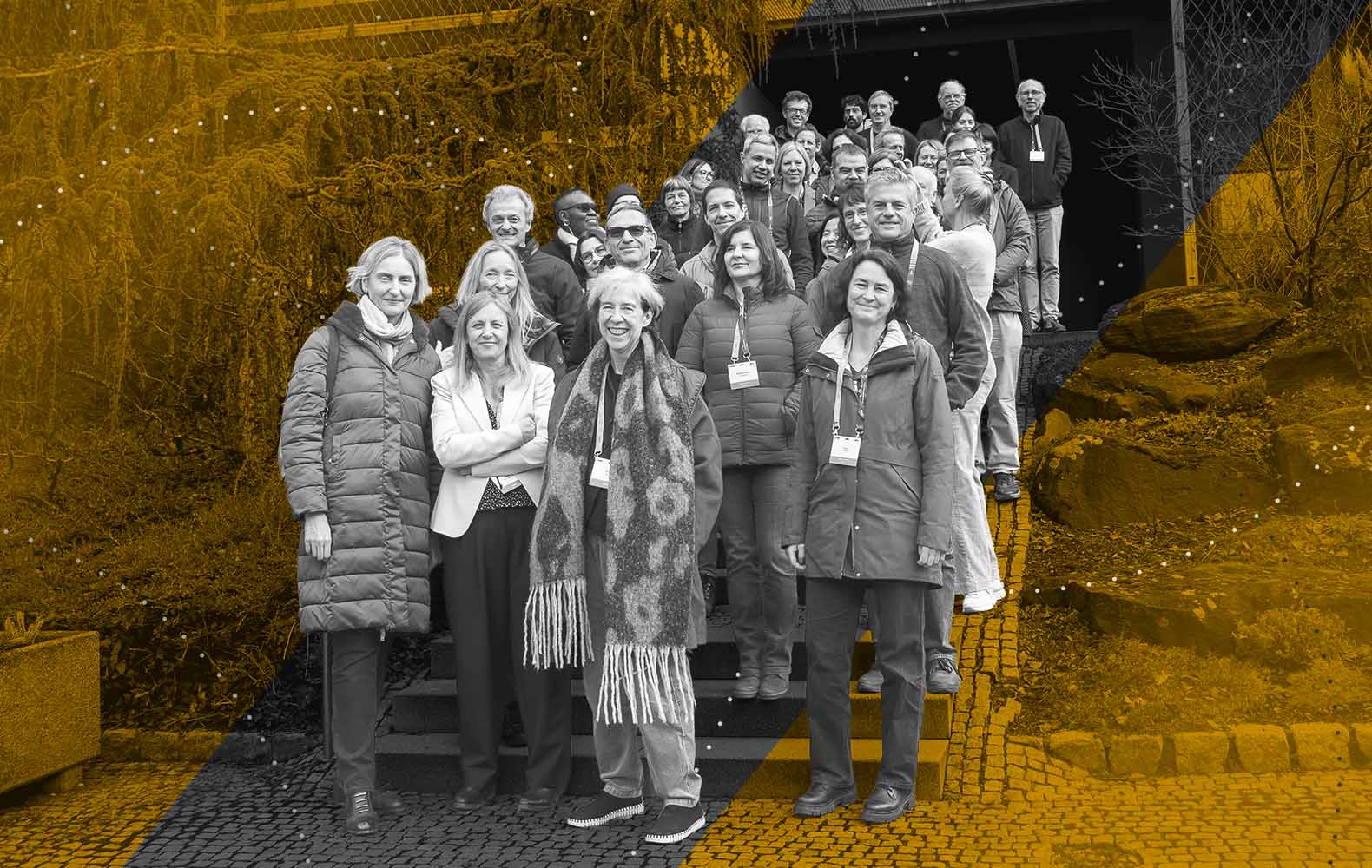
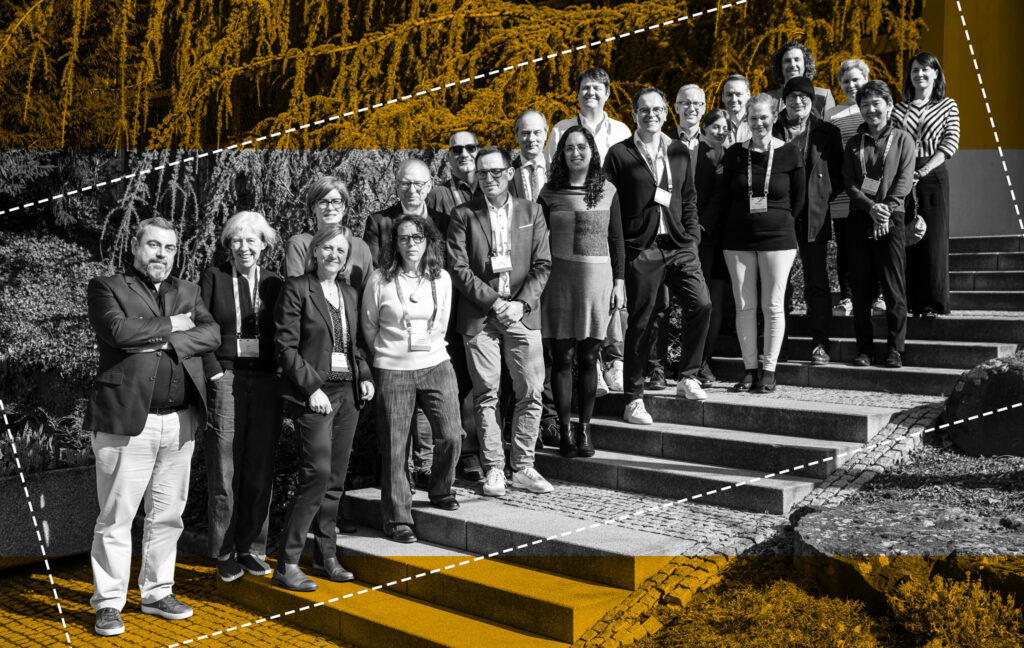
On 3–4 March 2026, EMBO and the Helmholtz Association, Germany’s largest research organization, held an interdisciplinary workshop “Biomedical Engineering – Science Translation for Future Health” at EMBO, Germany, on how to support biomedical engineering as a driver for innovation and economic growth in Europe. Organized by EMBO Director Fiona Watt, Vasilis Ntziachristos, Director of Bioengineering at the Helmholtz Center in Munich, Germany, Sandra Bendiscioli, Senior Policy Officer at the EMBO Policy Programme, Maria Polychronidou, Head of EMBO Membership & Elections, and Thomas Schwarz-Romond, Head of Helmholtz Bioengineering Coordination Unit, the workshop convened participants from Europe, the USA and Asia, representing basic research, funders and venture capital, industry, the EU and the German government.
“The huge practical potential really requires that we recognize it as a distinct field. When it comes to review and funding there is a real risk that it falls through the cracks,” Fiona Watt commented. According to Ntziachristos, there are only a handful of dedicated bioengineering faculties in the EU compared to more than 100 in the USA or Asia each, which creates a chicken and egg situation when it comes to supporting the field in terms of identity, critical mass and review panels. “If you don’t generate bioengineers, there is nobody to speak up for bioengineering,” he noted.
Beyond a better recognition of biomedical engineering as a crucial element for improving translation of science findings and for economic growth, the participants also discussed other factors that are needed to grow the field and unlock its potential in Europe. Participants from the USA and Singapore provided insights and perspectives on how their countries have successfully established educational tracks and faculties in bioengineering.
In four sessions the participants explored the following themes:
- The global landscape: how does Europe fare against other parts of the world
- Science showcases: examples of successful applications from biomedical engineering
- Ingredients for effective bioengineering ecosystems: how bioengineering can propel innovation in the life sciences
- Bioengineering & Translation – stakeholder perspectives: the views of funding agencies, industry and policy
During the 2-day workshop, participants identified points that are particularly relevant for strengthening biomedical engineering in Europe.
One key issue is the need for a distinct bioengineering identity and curricula in the EU. A related question is whether there is a difference between translation of basic research into products and services, and engineering as a problem-solving enterprise that makes such translation more efficient.
Some participants pointed out that there are currently no or very few incentives for academics for translating discoveries into products. Solutions could involve creating new incentives and exposing students to successful startup activities to foster an engineering and entrepreneurial mindset. It was also noted that it may be more efficient to achieve this by creating institutes de novo, such as the Wyss Institute in Boston, USA, rather than relying on established university structures.
Biomedical engineering, as a tool for developing new technologies and improving the efficiency of translating research results into health care, would also require funding schemes specifically designed for supporting interdisciplinary and “mission-oriented research”. Representatives of funding agencies therefore appreciated the workshop’s discussions of the specific requirements and incentives needed to support biomedical engineering and faster translation.
Beyond establishing biomedical engineering as an academic discipline, another major topic was supporting an entrepreneurial start-up culture to commercialize new technologies and discoveries into health-care products and services, which has been a weakness of Europe compared to the USA and Asia. Biomedical engineering would not just require support for start-up business but also more interaction between academia and industry as well as professionals to negotiate problems at the interfaces between research, development, regulation and intellectual property.
Participants also identified a number of assets in Europe, that could be leveraged to support an acceleration of innovations in the biomedical sciences. In addition to a strong engineering tradition, the continent has considerable biomedical research capacities and competitive industries, along with efficient funding schemes – ERC, EIC and others – to support collaborative research from discovery to translation to development. The diversity of countries and cultures could also be a benefit as well as the strong social safety nets.
What is still needed in Europe is more support for multidisciplinary research teams oriented towards a problem-solving culture, and collaboration among disciplines, industry, venture capital and policy makers. Europe is also lacking dedicated ‘innovation hubs’ focused on problem-solving in the life sciences to inspire a vibrant start-up culture. There is also a prevailing view that research and development are a dichotomy and not a continuum; a different understanding would help to support bioengineering as a translational tool.
The detailed results of the workshop and its discussions will be published as a White Paper to inform funders, policy makers and academia.