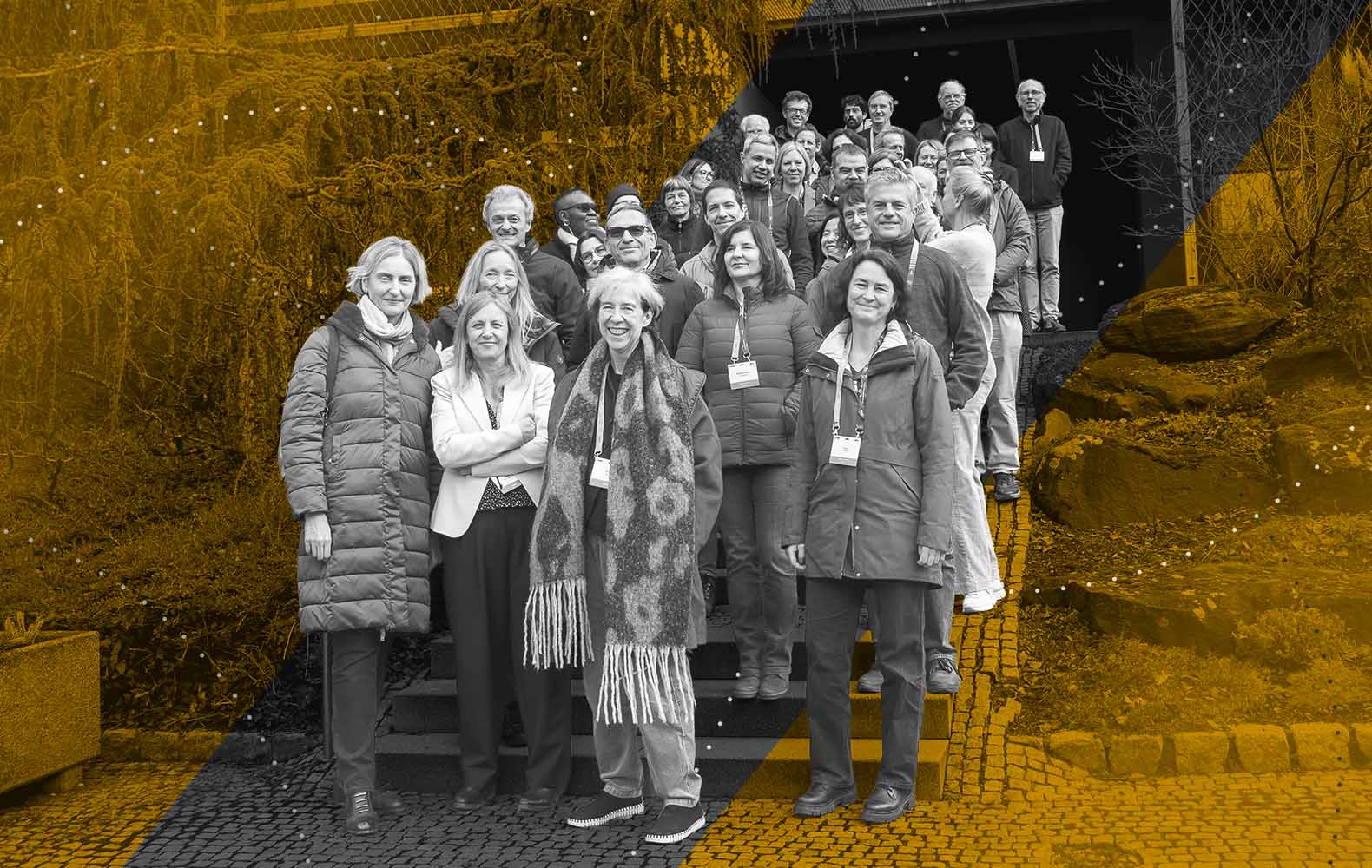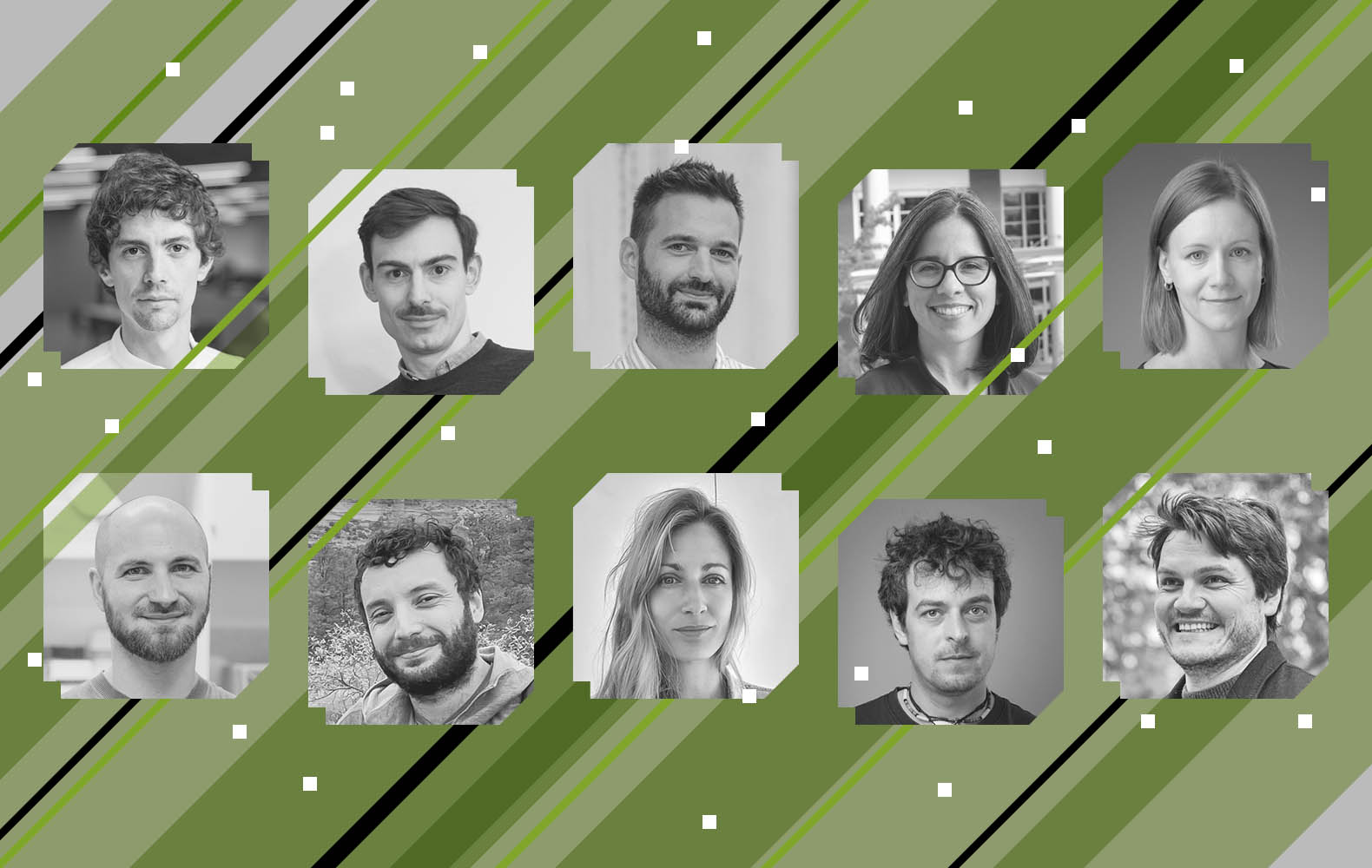
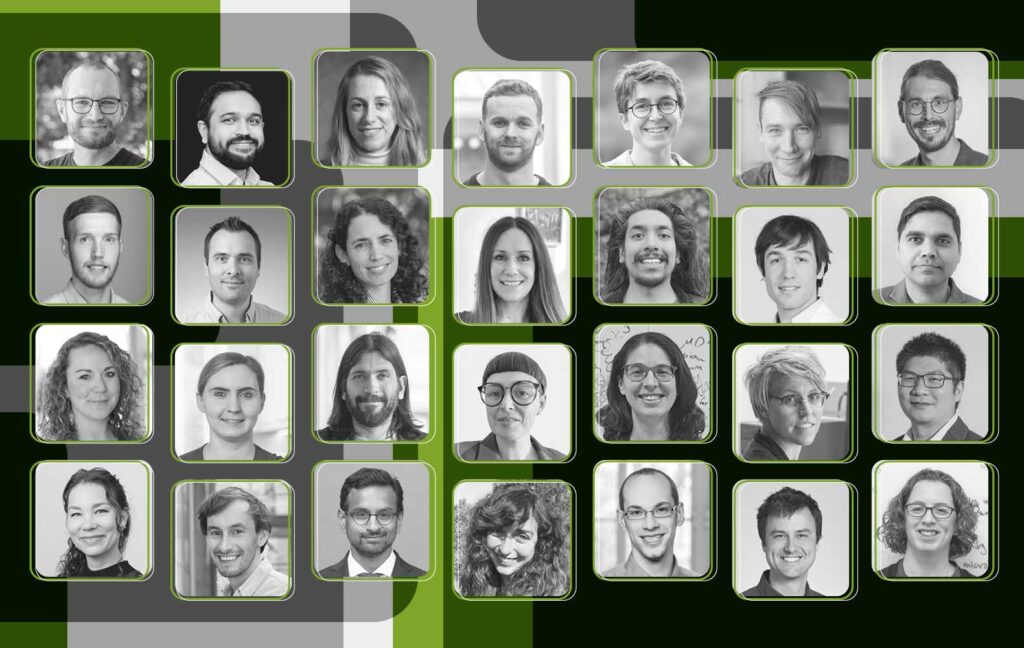
EMBO welcomes the new cohort of 28 young investigators, who will be active members of the EMBO Young Investigator Programme for the next four years. Their research projects address a broad range of questions in the life sciences and include the gut microbiome of infants, the demographics of indigenous American populations, the neural blueprint of brain tumours and the role of the RNA polymerase II in transcription.
“EMBO is delighted to welcome the new young investigators. Their outstanding achievements demonstrate the excellence and ambition that will drive progress in the life sciences. We are pleased to support these young group leaders as they take the next steps in their careers, and we look forward to their discoveries and contributions to our community,” says EMBO Director Fiona Watt.
The new EMBO Young Investigators benefit from a variety of networking opportunities for them and their lab members. They become part of a vibrant network of more than 800 current and former EMBO Young Investigators, Installation Grantees and Global Investigators. Further benefits include training and mentoring opportunities, as well as access to core facilities at the European Molecular Biology Laboratory in Heidelberg, Germany. Young investigators also receive a financial award of 15,000 euros. They can apply for additional grants of up to 10,000 euros per year and gain support for networking activities, such as joint group meetings or travelling to conferences.
Of the 28 selected EMBO Young Investigators, 12 are female (43%), 14 are male (50%), and two did not specify their gender (7%). The programme received 233 eligible applications, and the success rate was 12%.
26 new young investigators are based in ten member states of the EMBC, the intergovernmental organization that funds the EMBO Programmes: Austria, Czechia, Denmark, France, Germany, Israel, the Netherlands, Spain, Switzerland and the United Kingdom. One young investigator is based in India, which is an EMBC Associate Member State, and another is based in Taiwan, an EMBC Associate Member.
The next application deadline for the EMBO Young Investigator Programme is 1 April 2026. More information about the programme, including eligibility criteria and the application process, is available online.
New EMBO Young Investigators
| Name | Research project | Affiliation | Location | |
|---|---|---|---|---|
 | Sebastian Baumgarten | Origin and function of ribosome heterogeneity | Institut Pasteur | Paris, FR |
 | Tapomoy Bhattacharjee | Understanding physical control over biological behaviour and cellular state | National Centre for Biological Sciences | Bangalore, IN |
 | Merav Cohen | Immune-controlled signalling niches dictating tissue physiology and cancer | Tel Aviv University | Tel Aviv, IL |
 | Tom Deegan | Mechanisms and regulation of chromosome replication | University of Edinburgh | Edinburgh, UK |
 | Anna Erzberger | Theory of cellular and multicellular organization | European Molecular Biology Laboratory | Heidelberg, DE |
 | Dmitry Ghilarov | Controlling molecular machines with post-translationally modified peptides | University of Oxford | Oxford, UK |
 | Alexander Hauser | Pleiotropic effects — from drug targets to drug actions | University of Copenhagen | Copenhagen, DK |
 | Daniel Hurdiss | Infection mechanisms of positive-strand RNA viruses | Utrecht University | Utrecht, NL |
 | Alexis Jourdain | Spatial organization of mitochondrial gene expression | University of Lausanne | Lausanne, CH |
 | Leeat Keren | Decoding the tumour microenvironment: advancing spatial proteomics in cancer | Weizmann Institute of Science | Rehovot, IL |
 | Francisca Martínez Real | Molecular basis of evolutionary innovation: a synthetic genomics approach | Centro Andaluz de Biología del Desarrollo | Seville, ES |
 | J. Víctor Moreno-Mayar | Tracing human demography, subsistence strategies and health using palaeogenomics | University of Copenhagen | Copenhagen, DK |
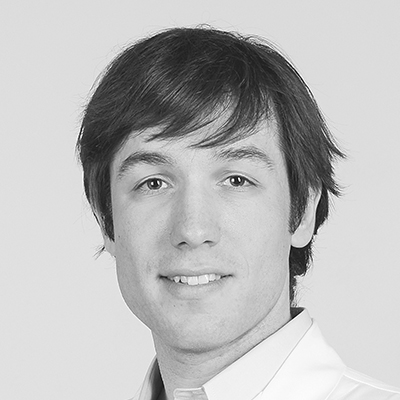 | Raphael Johannes Morscher | Metabolism as master regulator of codon-specific translation | University Children's Hospital Zurich | Zurich, CH |
 | Bipin Pandey | Unravelling the molecular mechanisms how plant roots sense hard soils | University of Nottingham | Nottingham, UK |
 | Michelle Percharde | The role and regulation of transposable elements in mammalian development | MRC Laboratory of Medical Sciences | London, UK |
 | Hana Polasek-Sedlackova | Deciphering human genome duplication and its regulation | Institute of Biophysics of the Czech Academy of Sciences | Brno, CZ |
 | Alejo E. Rodriguez-Fraticelli | Stem cell individuality | IRB Barcelona | Barcelona, ES |
 | Sara Sdelci | Fuelling fate: how nuclear metabolism shapes cell survival and ageing | Centre for Genomic Regulation | Barcelona, ES |
 | Ayala Shiber | Co-translational protein folding, misfolding and assembly in health and disease | Technion - Israel Institute of Technology | Haifa, IL |
 | Lora Sweeney | Development and evolution of motor circuits | Institute of Science and Technology Austria | Klosterneuburg, AT |
 | See-Yeun Ting | Interbacterial interactions within microbial communities | Institute of Molecular Biology, Academia Sinica | Taipei, TW |
 | Ana Tufegdžić Vidaković | Molecular basis of gene transcription | MRC Laboratory of Molecular Biology | Cambridge, UK |
 | Jesse V. Veenvliet | Physiological constraints and the robustness of mammalian body plan formation | Max Planck Institute of Molecular Cell Biology and Genetics | Dresden, DE |
 | Varun Venkataramani | Targeting the neural blueprint of brain tumours | Heidelberg University Hospital | Heidelberg, DE |
 | Berta Verd | From mechanism to morphology: evolving phenotypic diversity | University of Oxford | Oxford, UK |
 | Thomas Vogl | Deciphering human antibody repertoires against the microbiome in health and disease | Medical University of Vienna | Vienna, AT |
 | Michal Wieczorek | Nucleating complexity: exploring how cells assemble diverse microtubule networks | ETH Zurich | Zurich, CH |
 | Moran Yassour | The developing infant microbiome and its impact on paediatric health | The Hebrew University of Jerusalem | Jerusalem, IL |