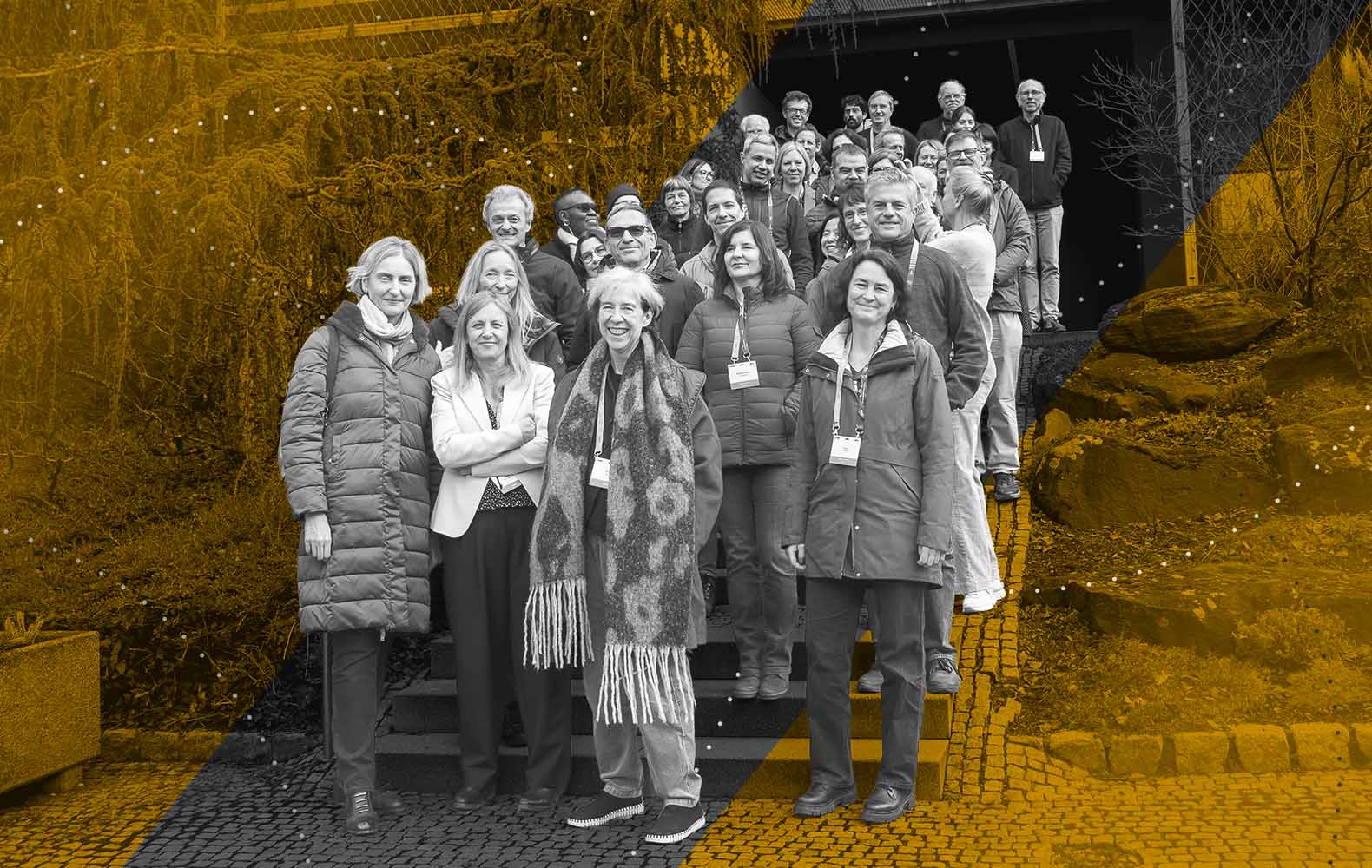

EMBO welcomes the new cohort of 12 global investigators, who will be active members of the EMBO Global Investigator Network for the next four years. Their research projects address a broad range of questions in the life sciences, for example, drought tolerance in tomatoes, the effect of drug pressure on Leishmania, and the genome structure and regulation in stony corals.
“The innovative spirit, exciting research and diverse contributions of the new EMBO Global Investigators will enrich our community of life scientists, and I warmly congratulate them on being selected,” says EMBO Director Fiona Watt.
The EMBO Global Investigator Network provides the group leaders and their lab members with several opportunities for exchanges with other scientists both in their region and elsewhere. They become part of a vibrant network of more than 800 current and former EMBO Global Investigators, Young Investigators and Installation Grantees. They benefit from funding for visits to other institutions to plan or continue collaborations, carry out experiments or learn new techniques. Funding is also available to attend or organize scientific meetings, and to receive training in research leadership and management skills.
Among the new EMBO Global Investigators is Mahmoud Bukar Maina, the second life scientist in an African country to join the network as a result of the EMBO Director’s special fund. He carries out his research at Yobe State University in Damaturu, Nigeria. Maina works on the role of ancestry in dementia and integrates African stem cell models in his research.
Of the 12 selected EMBO Global Investigators, eight are male (67%) and four are female (33%). The scheme received 66 eligible applications, and the success rate was 18%.
The new global investigators are based in Chile, India, Singapore and Taiwan, which are EMBO / EMBC global partners, and Nigeria. EMBC is the intergovernmental organization that funds the EMBO Programmes and activities.
The executing agencies of the agreements with the global partners are the National Agency for Research and Development of Chile; the Department of Biotechnology of India; the Agency for Science, Technology and Research of Singapore; and the National Science and Technology Council and Academia Sinica of Taiwan. Currently EMBO has no formal agreements with African countries.
The next application deadline for the EMBO Global Investigator Network is 2 May 2026. More information about the network, including eligibility criteria and the application process, is available online.
New EMBO Global Investigators
| Name | Research project | Affiliation | Location | |
|---|---|---|---|---|
 | José Miguel Alvarez | Dissecting the regulatory basis of drought tolerance in desert-adapted tomatoes | Universidad Andrés Bello | Santiago, CL |
 | Arnab Barik | Investigating the neural circuits for affective-motivational components of itch | Indian Institute of Science | Bangalore, IN |
 | Ko-Hsuan Chen | Fungal symbioses across the phototroph spectrum: cyanobacteria, bryophytes and ferns | Biodiversity Research Center, Academia Sinica | Taipei, TW |
 | Gloryn Chia | Defining immune evasion pathways that limit cancer immunotherapy | National University of Singapore | Singapore, SG |
 | Soumyashree Das | Mechanisms of collateral artery development | National Centre for Biological Sciences | Bangalore, IN |
 | Min Luo | Structural and functional basis of FtsEX-mediated cell wall remodelling during cell division | National University of Singapore | Singapore, SG |
 | Yi-Jyun Luo | Genome structure and regulatory dynamics in stony corals | Biodiversity Research Center, Academia Sinica | Taipei, TW |
 | Mahmoud Bukar Maina | Integrating diverse human ancestries and stem cell models to decipher the molecular basis of tauopathies | Yobe State University | Damaturu, NG |
 | Budhaditya Mukherjee | Drug pressure boosts fitness gain and reshapes Leishmania tropism in infected host | Indian Institute of Technology Kharagpur | Kharagpur, IN |
 | Saravanan Palani | Understanding cytoskeletal architecture and cell division across the domains of life | Indian Institute of Science | Bangalore, IN |
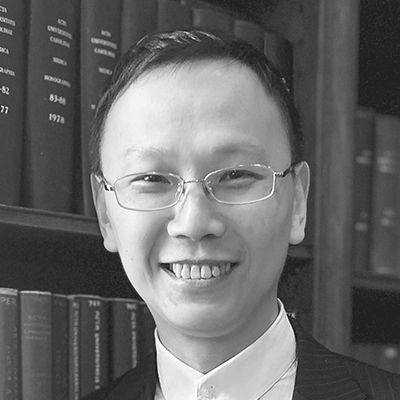 | Ming-Kai Pan | Newtonian precision and uniformity in cerebellar cognition and motor control | National Taiwan University | Taipei, TW |
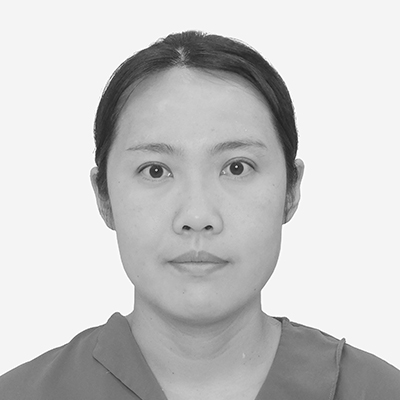 | Qiao Yuan | Using chemical biology approaches to unravel gut microbiota-derived peptidoglycan fragments in hosts | Nanyang Technological University | Singapore, SG |