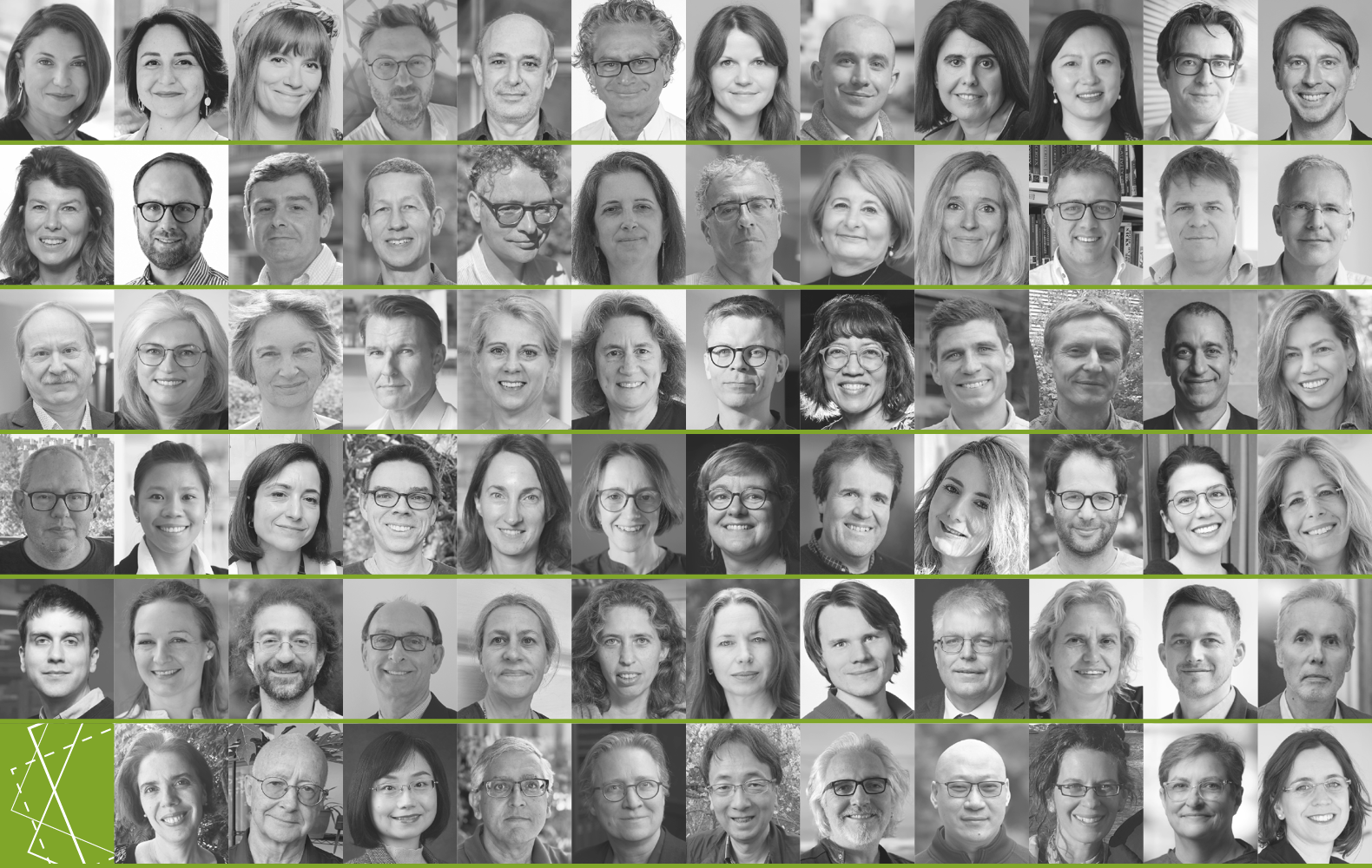
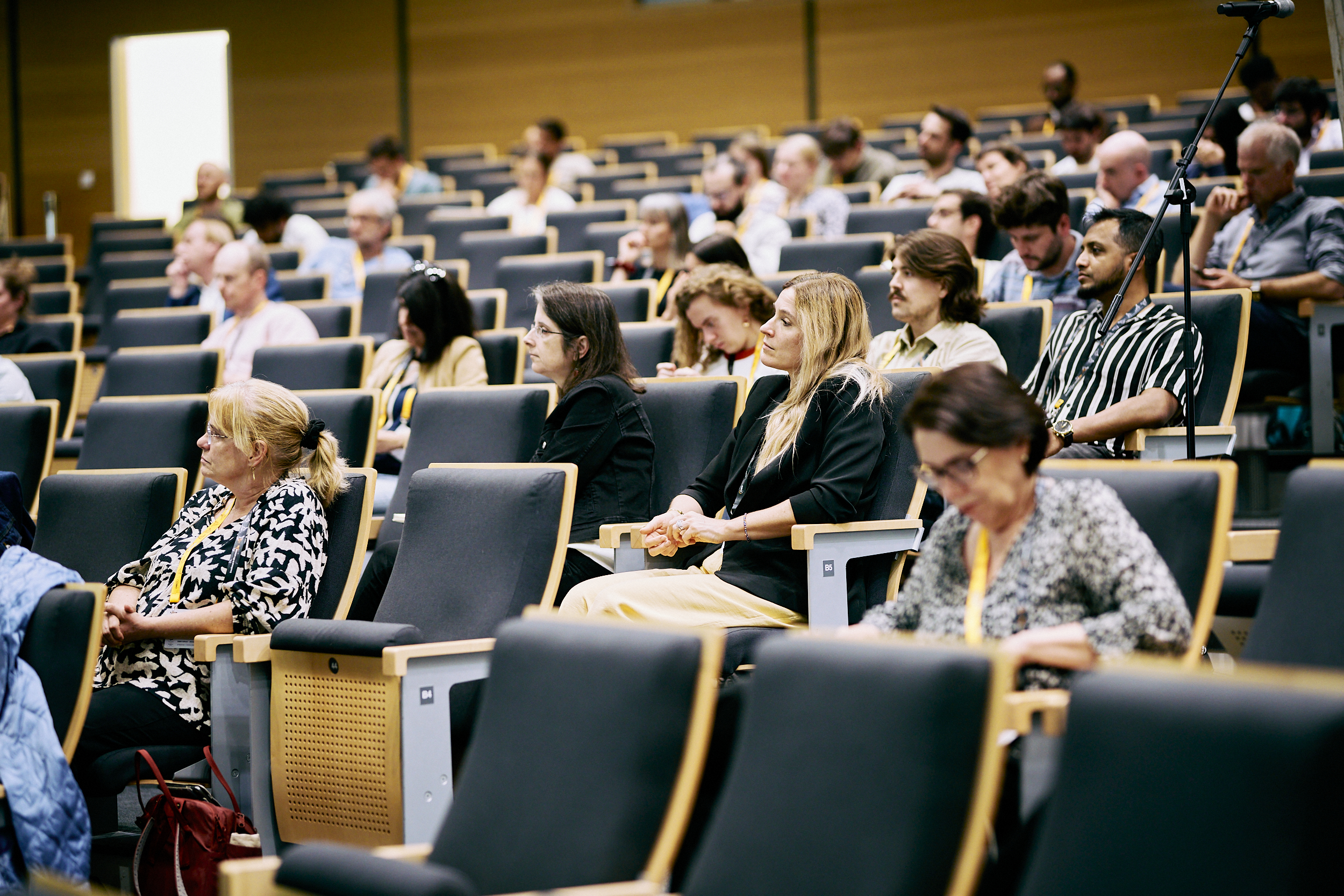
This year, EMBO brought its communities together at the annual EMBO Fellows’ and Members’ Meeting from 26–30 September and 30 September–2 October, respectively. EMBO Postdoctoral Fellows are early-career researchers funded for up to two years to carry out their research in laboratories around the world. EMBO Members are eminent researchers elected by their peers for the quality of their research and for outstanding achievements, who collectively help shape the future of the life sciences and strengthen research communities across Europe.
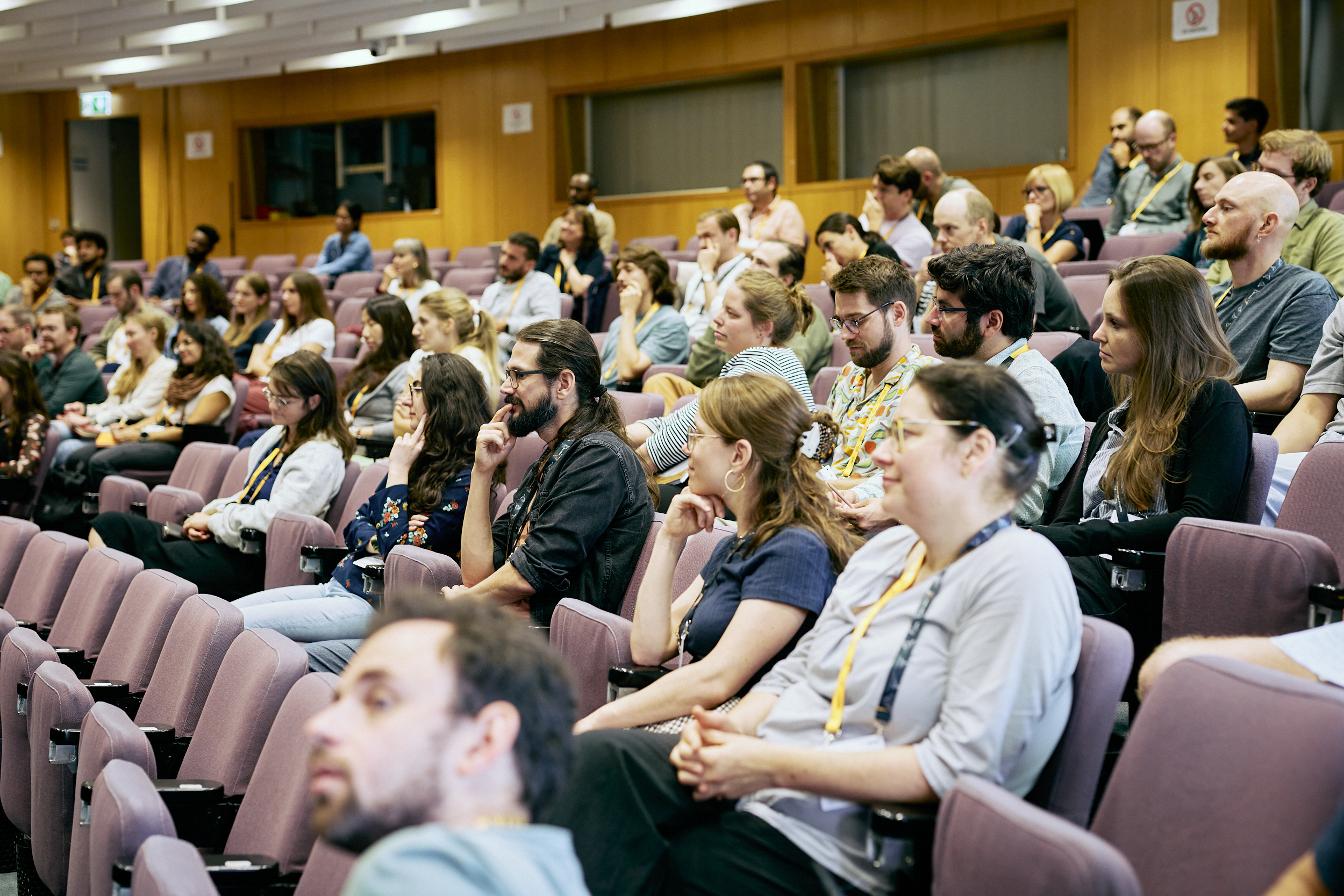
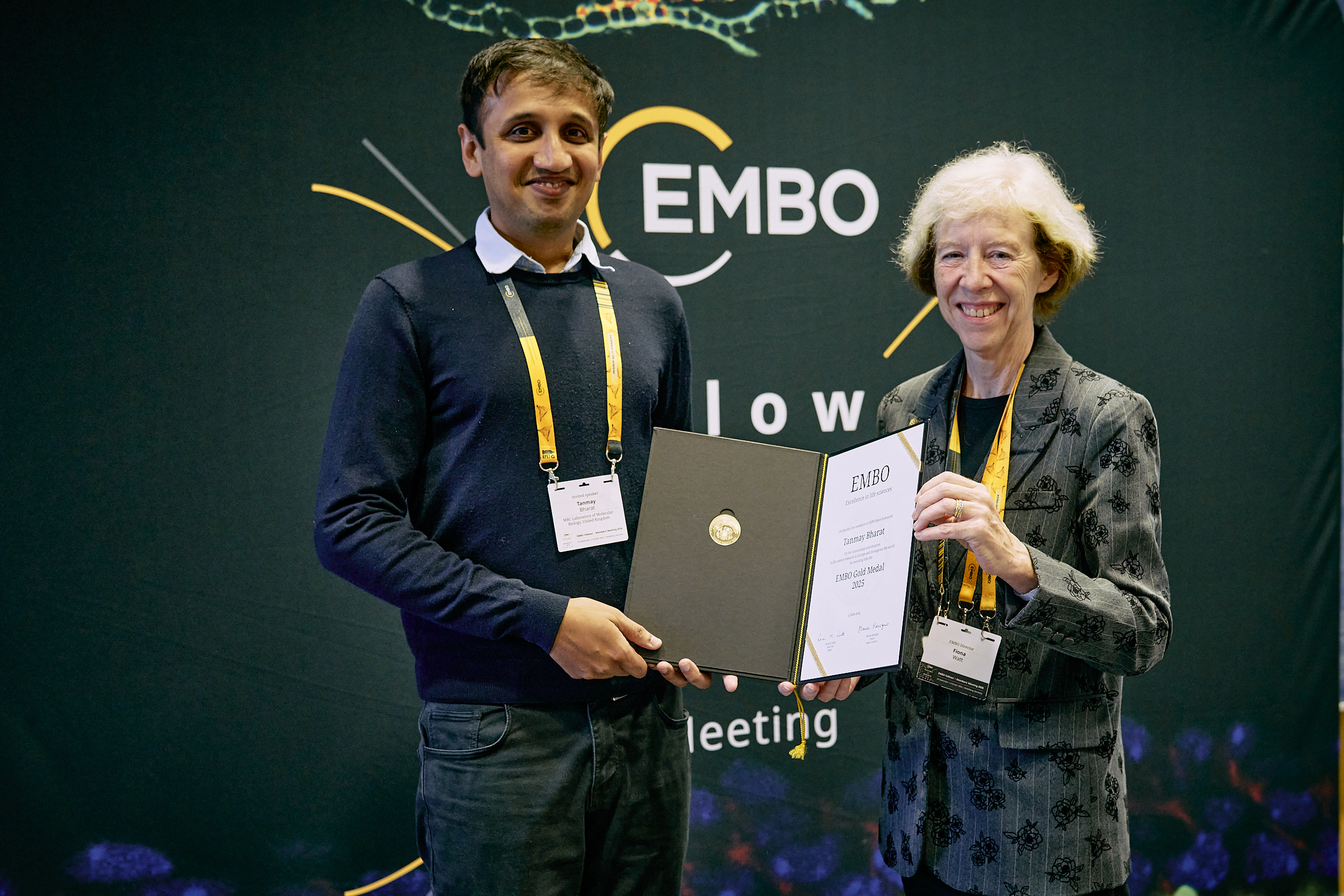
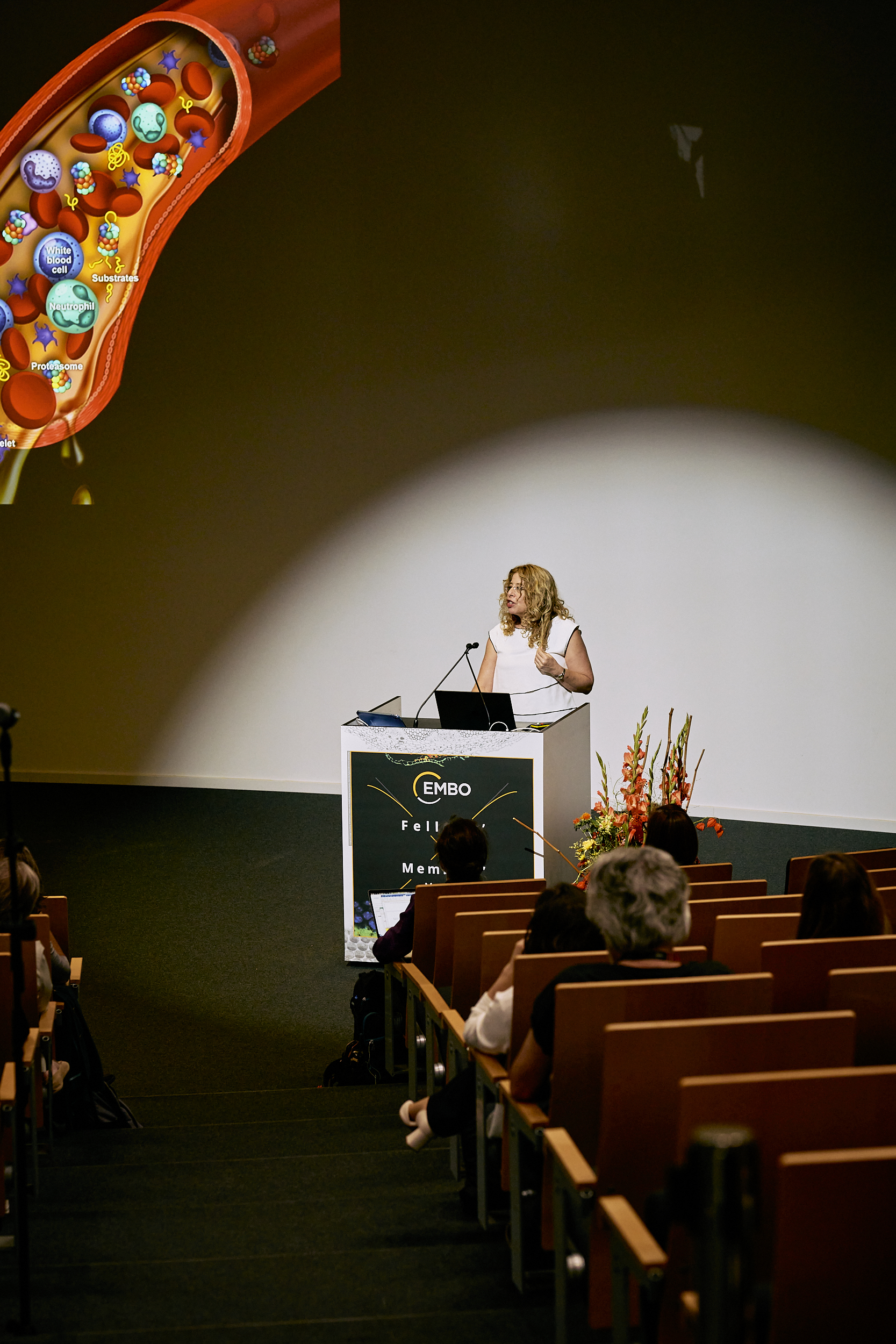
Each meeting followed its own programme, with presentations by participants and sessions on EMBO’s programmes and activities, including EMBO Press, prompting fruitful discussions on scientific publishing at a time of widespread AI use. The EMBO Members’ Meeting also featured a lecture by former EMBO Young Investigator, Tanmay Bharat, recipient of the EMBO Gold Medal 2025 for his pioneering work on prokaryotic S-layers. Awarded annually, the EMBO Gold Medal recognises the achievements of group leaders in their first years of independent research, within twelve years of their PhD.
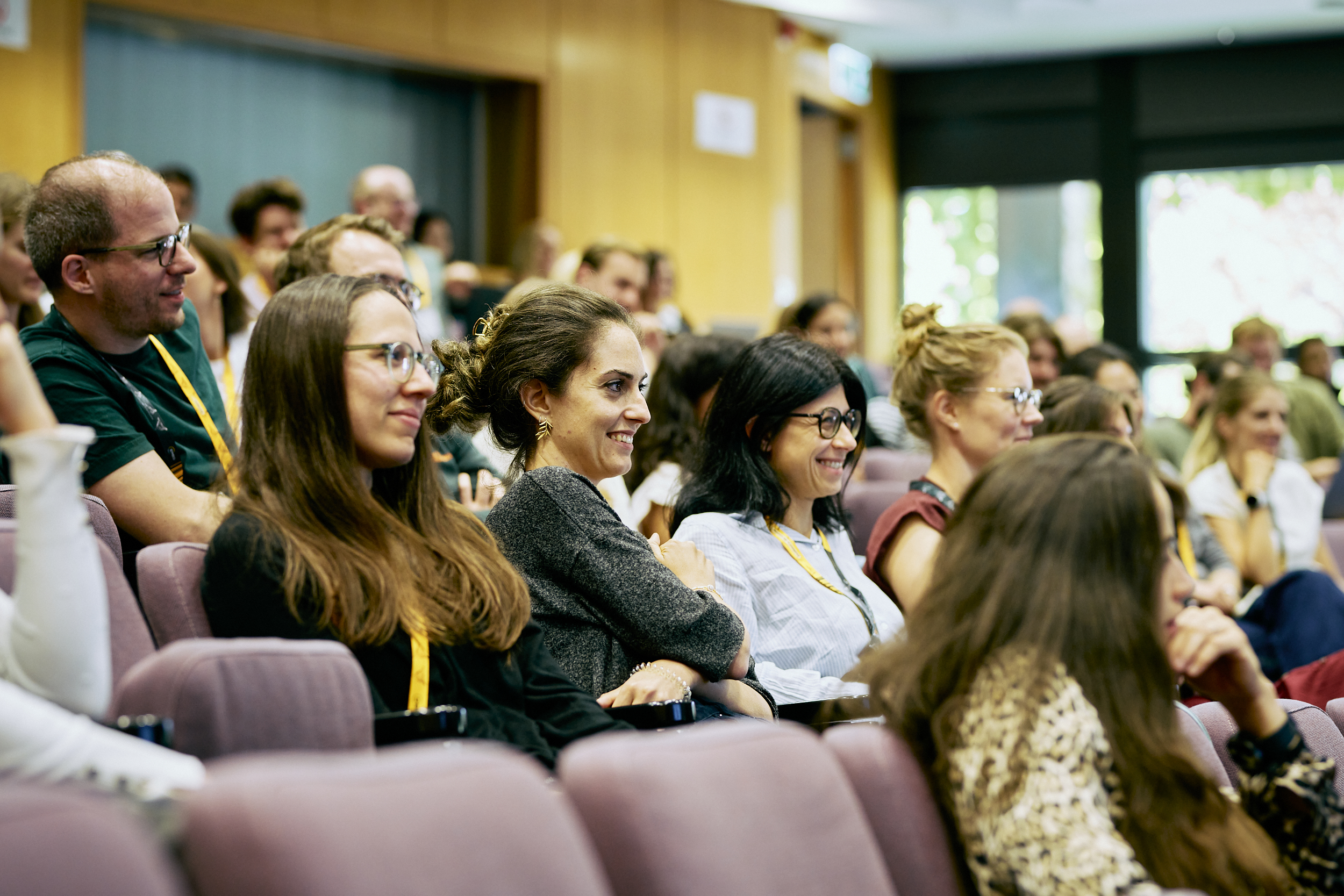
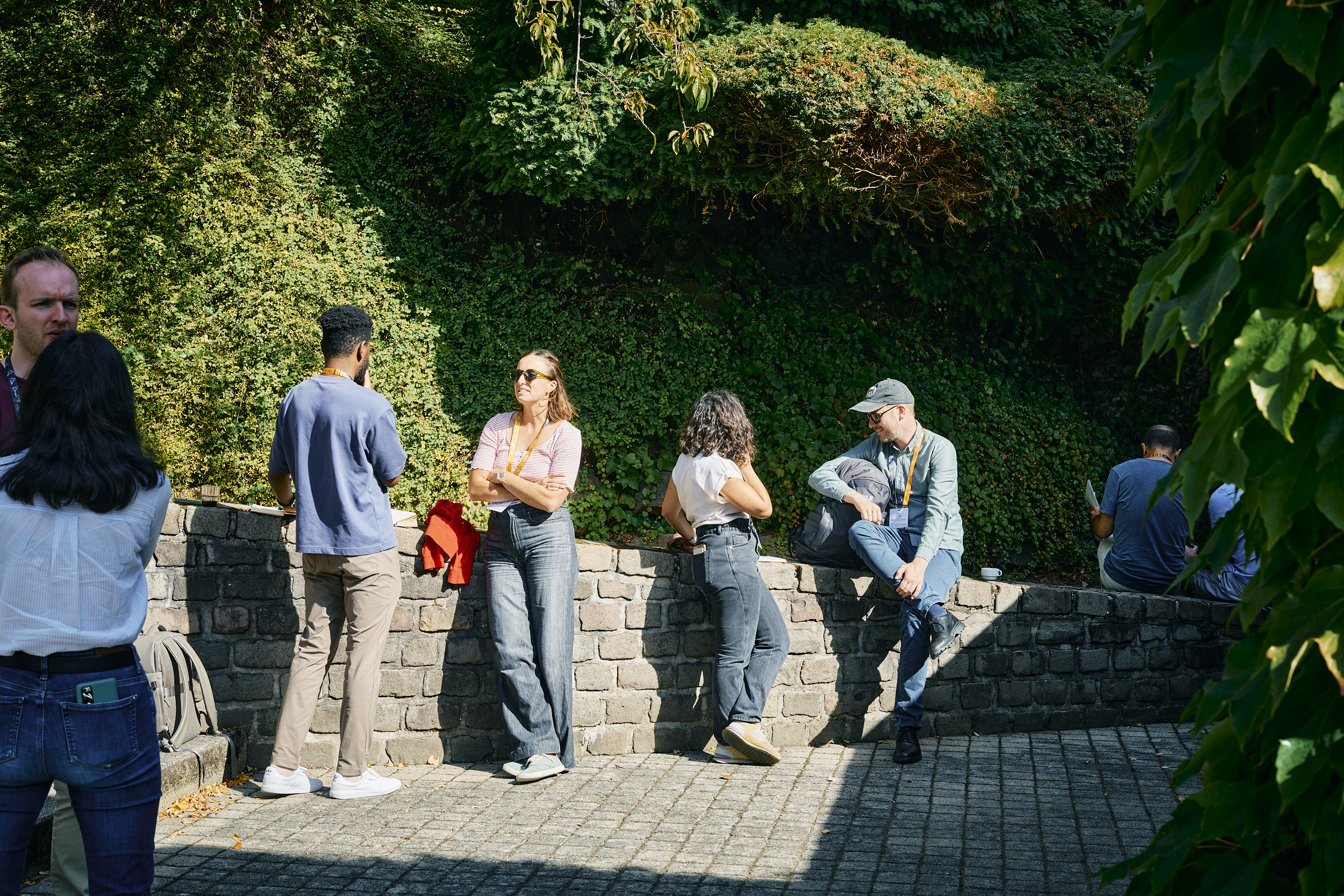
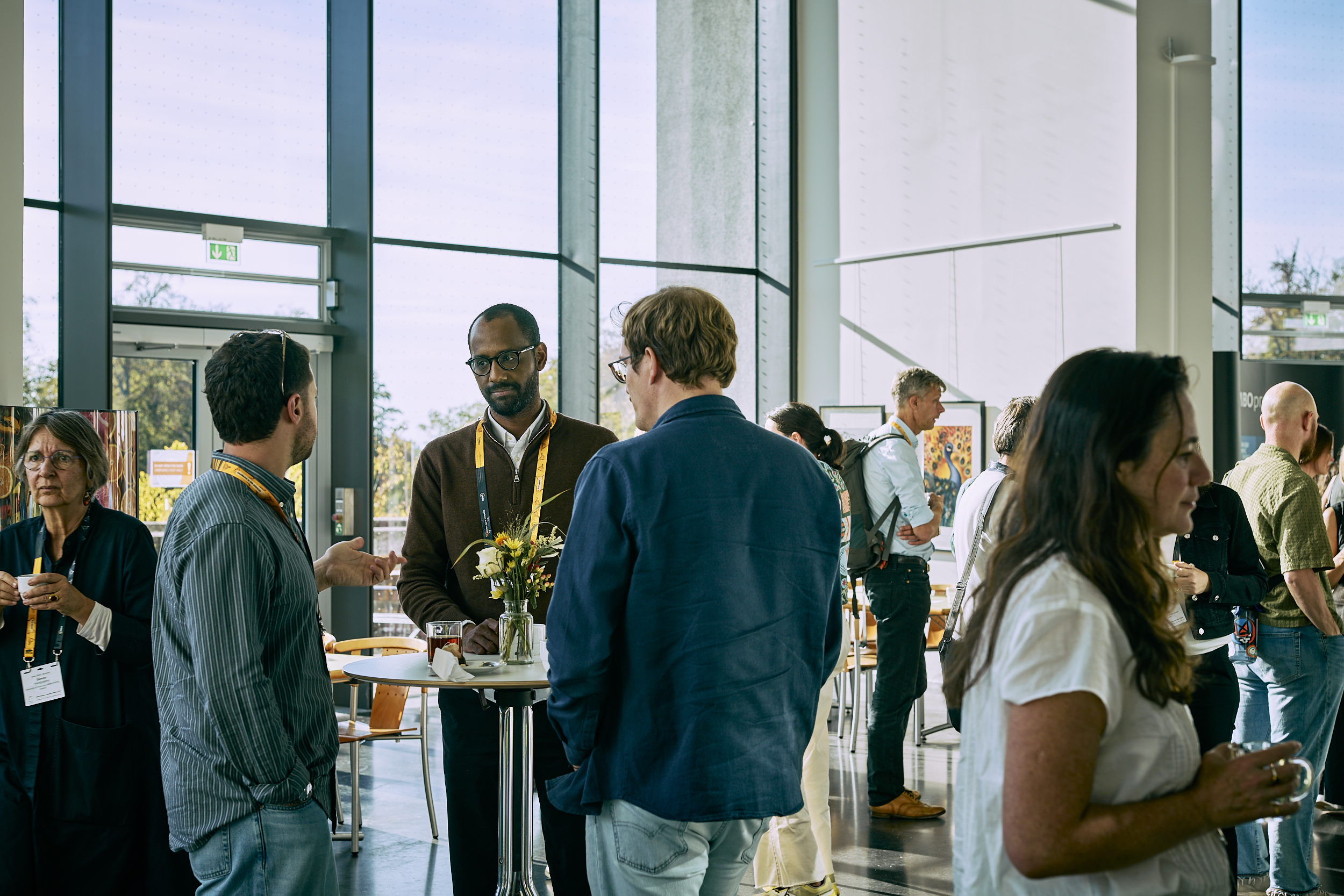
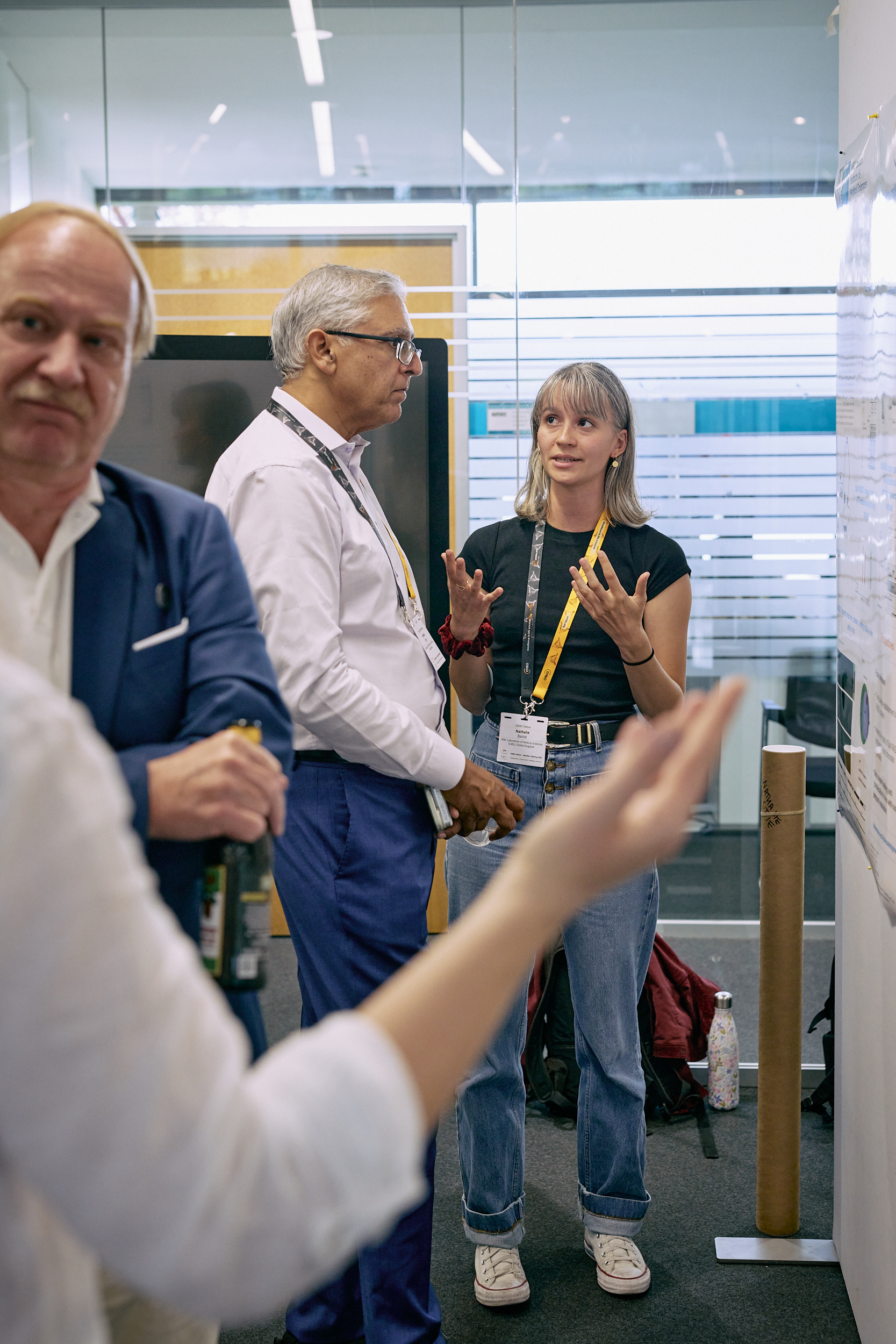
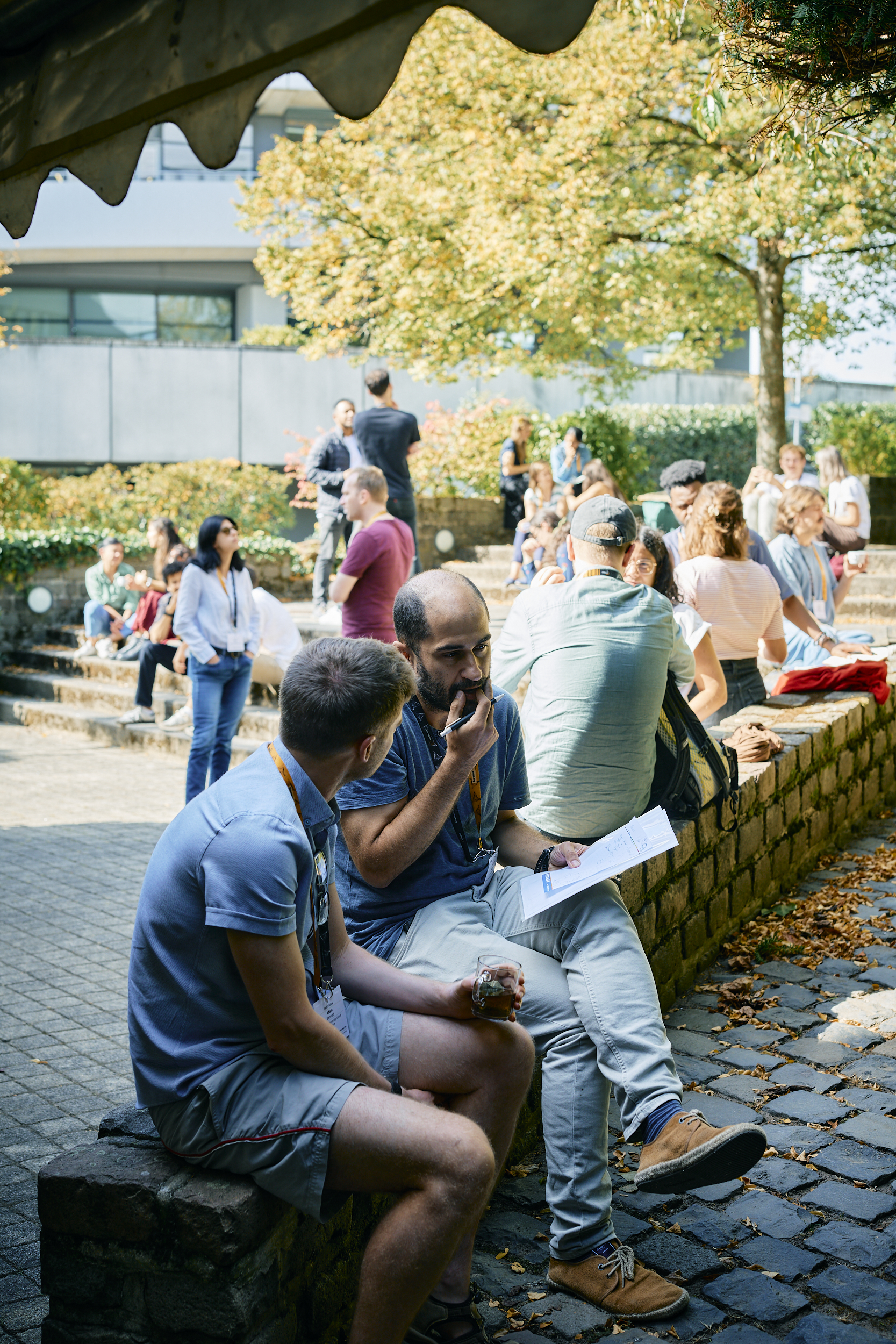
On 30 September, where the two meetings overlapped, fellows and members spent a shared day together. The unique value of these joint EMBO meetings is to let communities connect and discuss science across generations and borders. A poster session allowed fellows to present their work to members and to discuss the ideas they want to pursue in the future.
The art of making discoveries
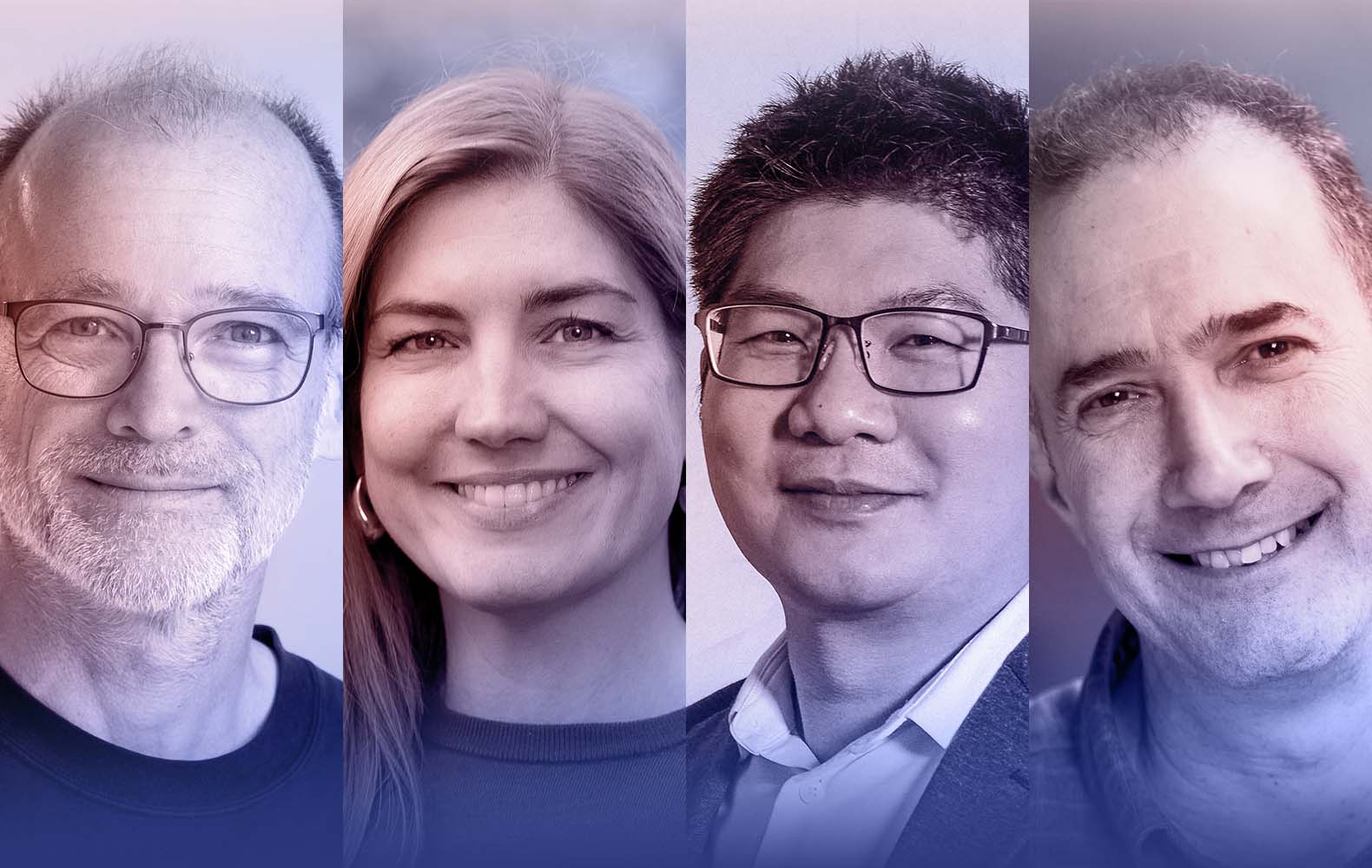
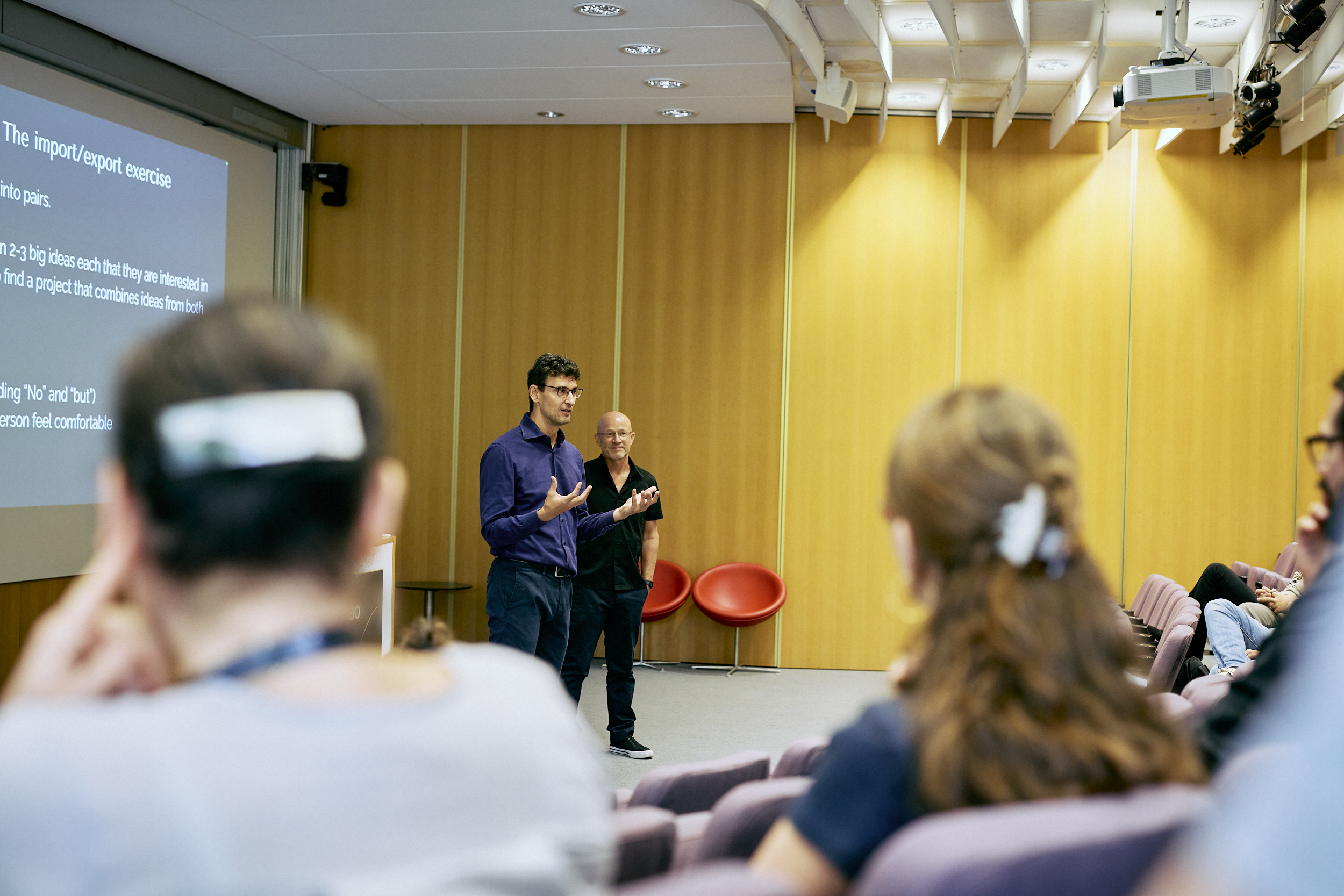
Alongside the research talks, participants were invited to consider the role of creativity in research. In a series of workshops for EMBO Fellows and Members, Itai Yanai, a former EMBO Young Investigator, and Martin Lercher, co-founders of the US non-profit Night Science, presented tools to help researchers navigate ‘creativity crises’ in their work. Having recognised fifteen years ago that creativity tools are neither acknowledged nor taught to scientists, Yanai and Lercher developed a set of ideas that encourage open, exploratory research, drawing on improvisation and analogy.
From discovery to story
Once an idea has been tested, peer-reviewed and published, its story remains to be told. Among other sessions, EMBO Members took part in a discussion on science communication and trust in science. Two external speakers animated the session: the Maria Leptin | EMBO Science Journalism Fellow Ioanna Soufleri, editor-in-chief of the science supplement of To Vima, one of Greece’s longest-standing newspapers, and Kai Kupferschmidt, freelance science journalist and author. Both speakers shared their views on what makes a good story, working with scientists, and the how new media affect public trust in science, public health and support for basic research.
Mapping the Membership
The EMBO Membership also has a story of its own, which the EMBO Science Map, presented to EMBO Members, tells in two views. A geographic view places every EMBO Member and Associate Member at their institution, while a science view groups them by expertise, based on the abstracts of their recent publications and set against roughly 50,000 last authors of recent life science papers. Developed by the EMBO Open Science Implementation team, the map can help identify colleagues in related fields or in the same region, find speakers for events and suggest sponsors for Membership nominations.
The next meetings of the EMBO communities will take place next year in Lisbon, Portugal, where the EMBO Members will meet with the EMBO Young Investigator Network, and in Heidelberg, where the Fellows will attend their next annual meeting.

Photos by Miriam Stanke for EMBO